
Common Chloride Testing Techniques and Their Advantages
 webmaster on
 If you work in an industry where chloride levels impact safety or product quality, you know accurate testing is vital Chlorine test. You’ll find that common methods like titration and ion-selective electrodes each offer unique benefits depending on your needs. Understanding how these techniques differ in speed, cost, and precision can help you make smarter choices. But which method fits your specific situation best?
Why Chloride Testing Matters Across Industries
Why does chloride testing matter so much across industries? You rely on it to protect equipment, ensure safety, and maintain product quality https://laballiance.com.my/. Chloride ions can cause corrosion in metal structures, leading to costly repairs and downtime. By testing, you catch problems early, preventing damage and saving money.
In food production, chloride levels affect taste and preservation, so precise control keeps your products consistent.
In water treatment, knowing chloride content helps you meet environmental regulations and safeguard public health.
Even in pharmaceuticals, chloride testing ensures your formulations are safe and effective.
You want freedom from unexpected failures and regulatory issues, and chloride testing gives you that peace of mind. It’s a simple step with a huge impact on your operations and liberty to innovate.
Titration Methods for Accurate Chloride Testing
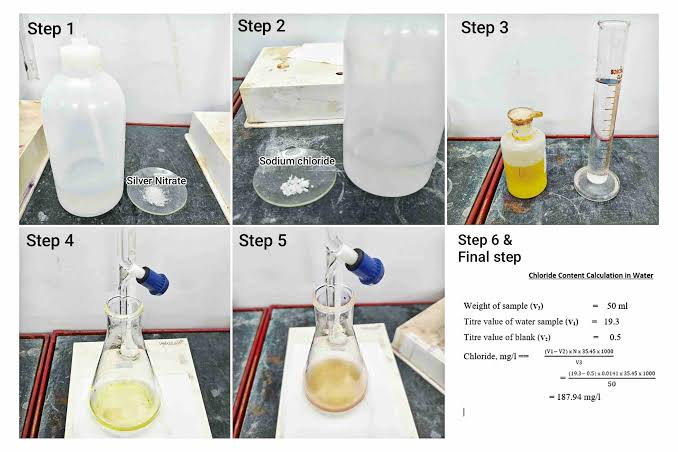
Although several techniques exist for measuring chloride levels, titration methods stand out for their accuracy and reliability. When you use titration, you directly quantify chloride ions by reacting them with a suitable reagent, giving you precise results without unnecessary guesswork. You’ll appreciate its straightforward process, especially in lab or field settings where accuracy matters.
Here’s what makes titration methods effective:
- Use of silver nitrate as a titrant for clear endpoint detection
- Application of indicators like potassium chromate for visual cues
- Ability to handle a broad range of sample types and concentrations
- Minimal equipment needs, promoting mobility and independence
With titration, you control the testing process, ensuring dependable chloride measurement wherever you are.
Ion-Selective Electrodes for Rapid Chloride Testing
When you need quick and accurate chloride measurements, ion-selective electrodes (ISEs) offer a powerful alternative to traditional methods. You simply immerse the electrode into your sample, and it directly measures chloride ion activity, providing near-instant results.
This technique is highly portable, so you can test on-site without relying on bulky lab equipment. Plus, ISEs require minimal sample preparation, freeing you from complex procedures and saving valuable time.
The electrodes are easy to calibrate and maintain, letting you focus on getting reliable data rather than troubleshooting. Whether you’re working in environmental monitoring or industrial quality control, using ISEs lets you take control of your testing process with speed and simplicity, empowering you to act confidently and efficiently.
Comparing Speed, Cost, and Accuracy of Chloride Tests
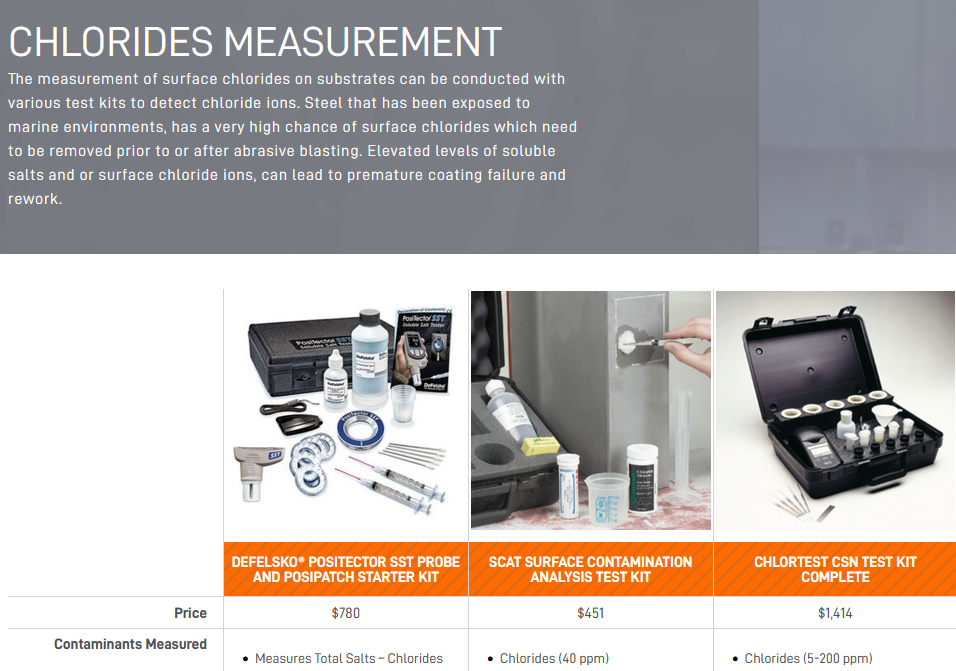
Ion-selective electrodes provide fast and straightforward chloride measurements, but it’s important to weigh their speed against other factors like cost and accuracy. When you choose a chloride test, you want a method that fits your budget, delivers reliable results quickly, and matches your accuracy needs.
Some tests are cheap but take longer, while others cost more and offer precision. Here’s what you should consider:
- Speed: How quickly you need results can limit your options.
- Cost: Initial investment and ongoing expenses vary widely.
- Accuracy: Some methods provide highly precise readings, others approximate.
- Ease of Use: Simpler tests save time and reduce errors.
Understanding these trade-offs lets you pick a test that gives you freedom without compromise.
How to Choose the Best Chloride Testing Method for Your Industry
Since each industry has unique requirements and constraints, you’ll need to tailor your chloride testing method accordingly. Start by evaluating the accuracy you need—industries like pharmaceuticals demand high precision, while others may prioritize speed.
Consider your budget; some methods offer quick results but come at a higher cost, while others save money but take longer.
Think about your operational environment: do you need portable testing for fieldwork, or can you rely on lab-based techniques?
Also, factor in ease of use; a method that fits your team’s skills will save time and reduce errors.
Ultimately, choosing the best chloride test means balancing accuracy, cost, speed, and convenience to fit your industry’s specific workflows and freedom to operate without unnecessary restrictions.
Conclusion
Now that you know the key chloride testing methods, you can choose the one that fits your needs best. Titration offers precise, cost-effective results perfect for detailed lab work, while ion-selective electrodes give you fast, on-site readings when time matters most. By understanding their strengths, you’ll keep your processes safe, efficient, and compliant. Pick the right technique for your industry, and you’ll stay confident in your chloride monitoring every step of the way.