Monthly Archives

2 Articles

Common Chloride Testing Techniques and Their Advantages

Posted by webmaster on
Uncategorized

If you work in an industry where chloride levels impact safety or product quality, you know accurate testing is vital Chlorine test. You’ll find that common methods like titration and ion-selective electrodes each offer unique benefits depending on your needs. Understanding how these techniques differ in speed, cost, and precision can help you make smarter choices. But which method fits your specific situation best?
Why Chloride Testing Matters Across Industries

Why does chloride testing matter so much across industries? You rely on it to protect equipment, ensure safety, and maintain product quality https://laballiance.com.my/. Chloride ions can cause corrosion in metal structures, leading to costly repairs and downtime. By testing, you catch problems early, preventing damage and saving money.

In food production, chloride levels affect taste and preservation, so precise control keeps your products consistent.

In water treatment, knowing chloride content helps you meet environmental regulations and safeguard public health.

Even in pharmaceuticals, chloride testing ensures your formulations are safe and effective.

You want freedom from unexpected failures and regulatory issues, and chloride testing gives you that peace of mind. It’s a simple step with a huge impact on your operations and liberty to innovate.

Titration Methods for Accurate Chloride Testing

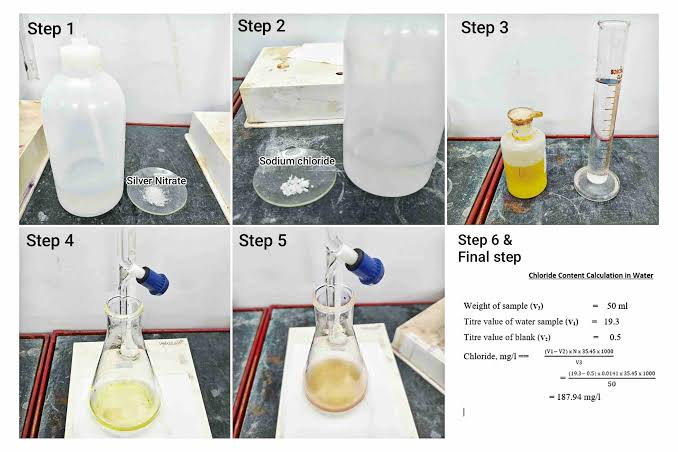
Although several techniques exist for measuring chloride levels, titration methods stand out for their accuracy and reliability. When you use titration, you directly quantify chloride ions by reacting them with a suitable reagent, giving you precise results without unnecessary guesswork. You’ll appreciate its straightforward process, especially in lab or field settings where accuracy matters.

Here’s what makes titration methods effective:

  • Use of silver nitrate as a titrant for clear endpoint detection
  • Application of indicators like potassium chromate for visual cues
  • Ability to handle a broad range of sample types and concentrations
  • Minimal equipment needs, promoting mobility and independence

With titration, you control the testing process, ensuring dependable chloride measurement wherever you are.

Ion-Selective Electrodes for Rapid Chloride Testing

When you need quick and accurate chloride measurements, ion-selective electrodes (ISEs) offer a powerful alternative to traditional methods. You simply immerse the electrode into your sample, and it directly measures chloride ion activity, providing near-instant results.

This technique is highly portable, so you can test on-site without relying on bulky lab equipment. Plus, ISEs require minimal sample preparation, freeing you from complex procedures and saving valuable time.

The electrodes are easy to calibrate and maintain, letting you focus on getting reliable data rather than troubleshooting. Whether you’re working in environmental monitoring or industrial quality control, using ISEs lets you take control of your testing process with speed and simplicity, empowering you to act confidently and efficiently.
Comparing Speed, Cost, and Accuracy of Chloride Tests

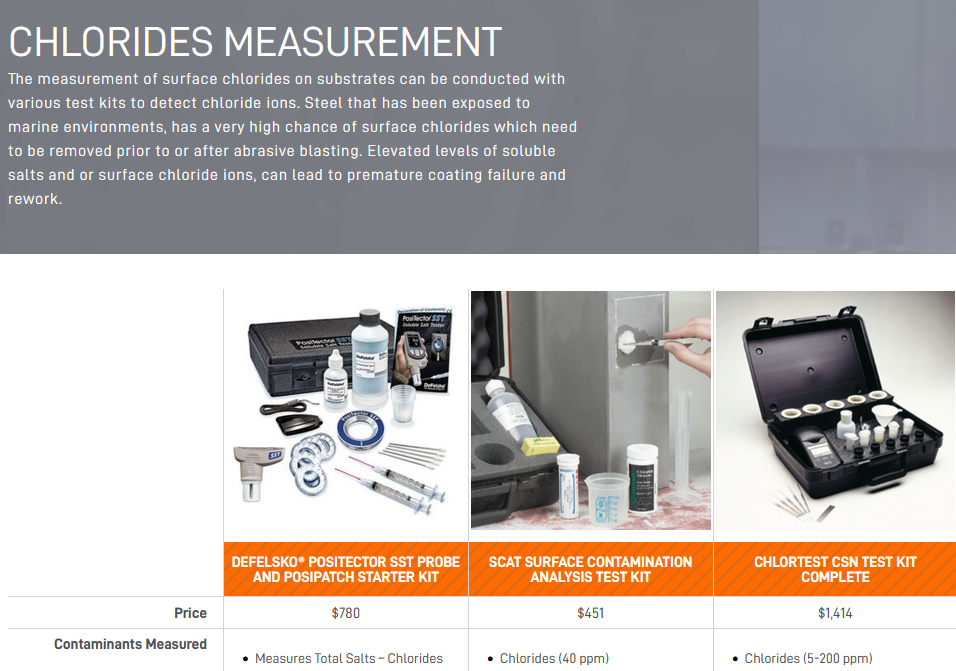
Ion-selective electrodes provide fast and straightforward chloride measurements, but it’s important to weigh their speed against other factors like cost and accuracy. When you choose a chloride test, you want a method that fits your budget, delivers reliable results quickly, and matches your accuracy needs.

Some tests are cheap but take longer, while others cost more and offer precision. Here’s what you should consider:

  • Speed: How quickly you need results can limit your options.
  • Cost: Initial investment and ongoing expenses vary widely.
  • Accuracy: Some methods provide highly precise readings, others approximate.
  • Ease of Use: Simpler tests save time and reduce errors.

Understanding these trade-offs lets you pick a test that gives you freedom without compromise.

How to Choose the Best Chloride Testing Method for Your Industry

Since each industry has unique requirements and constraints, you’ll need to tailor your chloride testing method accordingly. Start by evaluating the accuracy you need—industries like pharmaceuticals demand high precision, while others may prioritize speed.

Consider your budget; some methods offer quick results but come at a higher cost, while others save money but take longer.

Think about your operational environment: do you need portable testing for fieldwork, or can you rely on lab-based techniques?

Also, factor in ease of use; a method that fits your team’s skills will save time and reduce errors.

Ultimately, choosing the best chloride test means balancing accuracy, cost, speed, and convenience to fit your industry’s specific workflows and freedom to operate without unnecessary restrictions.

Conclusion

Now that you know the key chloride testing methods, you can choose the one that fits your needs best. Titration offers precise, cost-effective results perfect for detailed lab work, while ion-selective electrodes give you fast, on-site readings when time matters most. By understanding their strengths, you’ll keep your processes safe, efficient, and compliant. Pick the right technique for your industry, and you’ll stay confident in your chloride monitoring every step of the way.
Touch Concept Defense Booth Design Guide for Industry Events

Posted by webmaster on
Uncategorized

A successful touch concept defense booth design for industry events emphasizes open layouts to encourage visitor flow and uses clear branding for instant recognition. Durable materials paired with balanced lighting enhance professionalism and comfort. Interactive displays with responsive touchscreens and augmented reality foster hands-on engagement and personalized experiences. Integrating technology creates dynamic, self-guided exploration while innovative features like modular seating and digital takeaways elevate visitor interaction. Further insights reveal how these elements combine to maximize impact and engagement.

Plan Your Touch Concept Defense Booth Layout and Branding

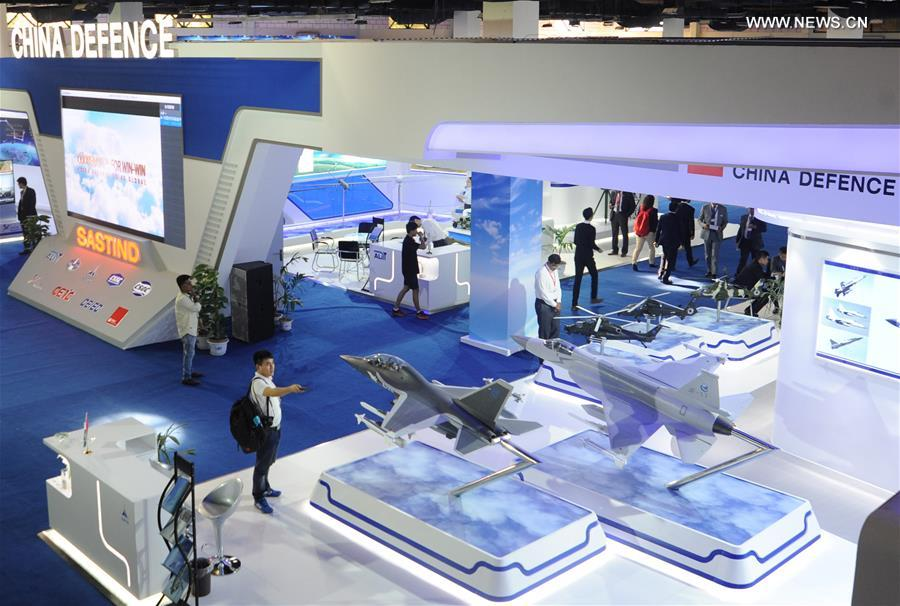
When planning the layout and branding of a Touch Concept Defense booth, careful consideration must be given to spatial organization and visual identity to maximize engagement. The arrangement should facilitate free movement aviation paint booth, allowing visitors to explore without constraints. Clear signage and strategic placement of interactive displays enhance intuitive navigation.

Branding elements must communicate the company’s core values succinctly, using bold, recognizable logos and a cohesive color scheme that reflects strength and innovation. Prioritizing open spaces over clutter encourages approachability, inviting attendees to engage genuinely with the products and representatives.

Consistency in design across all touchpoints reinforces brand recognition while supporting an atmosphere of openness and empowerment. This thoughtful planning fosters an environment where visitors feel unrestricted and inspired to connect with the Touch Concept Defense offerings.

Choose Materials and Lighting That Impress

Selecting the right materials and lighting is essential to creating a memorable Touch Concept Defense booth that captures attention and conveys professionalism.

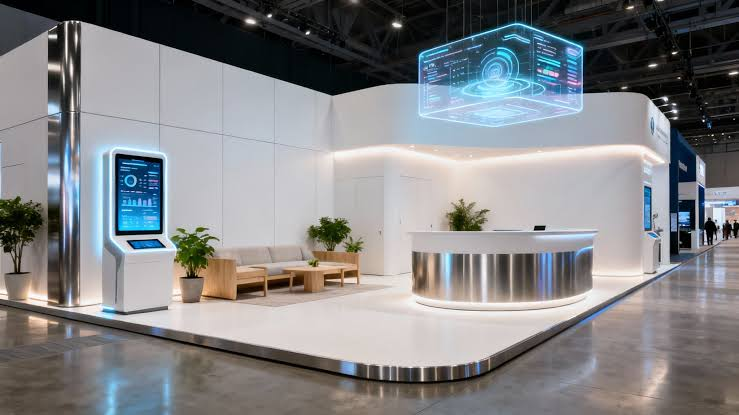
Durable, high-quality materials like brushed metal, tempered glass, and matte finishes provide a sleek aesthetic while ensuring longevity. These choices communicate reliability and innovation, aligning with industry expectations.

Lighting should enhance visual appeal without overwhelming the space. Adjustable LED fixtures offer flexibility, highlighting key areas and products effectively. Incorporating subtle accent lighting can create depth and guide visitor focus naturally.

Neutral color temperatures maintain clarity, while warmer tones evoke comfort.

Together, thoughtful material and lighting selections establish a refined atmosphere that invites engagement and reflects brand values. This foundation supports a booth design that stands apart, offering freedom in expression without compromising function or visual impact.

Design Interactive Displays for Your Touch Concept Defense Booth

How can interactive displays transform a Touch Concept Defense booth into an engaging experience? By inviting visitors to explore concepts firsthand, these displays break down barriers between presenter and audience, fostering freedom of interaction and discovery.

Effective design leverages intuitive interfaces that encourage self-guided exploration, allowing attendees to focus on what interests them most.

Key considerations include:

  • Clear, user-friendly navigation to minimize confusion
  • Responsive touchscreens with multi-touch capabilities
  • Visual feedback to reinforce user actions
  • Modular content adaptable to diverse visitor needs
  • Integration with branding elements for a cohesive identity

This approach empowers visitors to engage deeply, creating memorable, personalized experiences that elevate the booth’s impact without restricting visitor autonomy.

Use Technology to Create Hands-On Visitor Experiences

Why does incorporating advanced technology matter in creating hands-on visitor experiences at a Touch Concept Defense booth? Technology empowers visitors to engage actively and independently, offering immediate interaction without barriers.

Utilizing tools such as augmented reality, touchscreens, and gesture controls invites exploration and fosters deeper understanding of defense solutions. These technologies provide freedom to navigate content at one’s own pace, breaking away from passive observation.

Furthermore, hands-on tech enables realistic simulations, helping visitors grasp complex concepts through direct involvement. This approach caters to diverse learning preferences and encourages curiosity.

Boost Visitor Engagement With Innovative Booth Features

A variety of innovative booth features can considerably enhance visitor engagement at defense industry events. Incorporating cutting-edge elements allows exhibitors to capture attention, foster meaningful interactions, and differentiate their presence. These features empower visitors with freedom to explore and interact on their terms, creating a memorable experience.

Key innovative features include:

  • Interactive touchscreens showcasing real-time data and simulations
  • Augmented reality stations for immersive product demonstrations
  • Modular seating areas encouraging collaboration and networking
  • Personalized digital takeaways accessible via QR codes
  • Dynamic lighting and soundscapes adapting to visitor flow

Conclusion

A well-designed touch concept defense booth plays a vital role in capturing attention at industry events. By thoughtfully planning layout and branding, selecting impactful materials and lighting, and incorporating interactive displays, exhibitors can create memorable, hands-on experiences. Leveraging technology and innovative features further enhances visitor engagement, making the booth a dynamic platform for showcasing solutions. Ultimately, these design strategies contribute to effective communication and lasting impressions within the competitive event environment.