
5 Common Lizard Repellent Mistakes (And How iGreenAsia Solves Them)
 webmaster on
 Many common lizard‑repellent tactics fail because they are temporary, unsafe for pets, or incomplete. DIY water‑based sprays wash away and evaporate; strong chemicals risk pet harm; sealing only visible gaps leaves small entryways; lights and noise cause rapid habituation; and cluttered, moist habitats keep attracting reptiles. iGreenAsia offers water‑resistant lizard repellent spray, controlled‑release formulations, pet‑safe options, measured exclusion kits, behavior‑based strategies, and habitat modification plans. Continue for practical steps and implementation details.
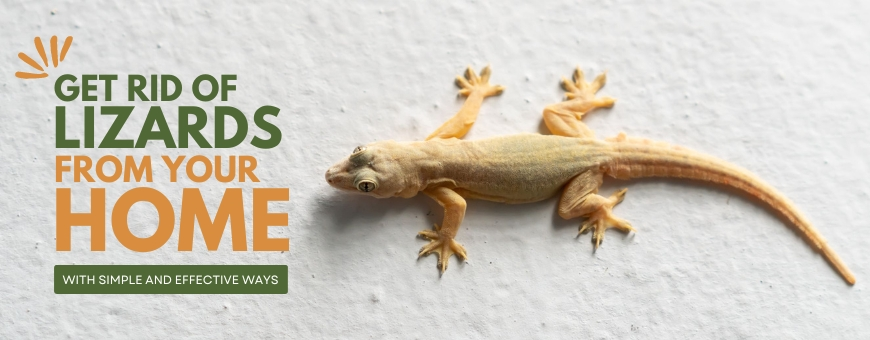
Using DIY Sprays That Wash Away : Why Temporary Sprays Fail and iGreenAsia’s Long‑Lasting Alternative
When exposed to rain, irrigation https://igreenasia.com/, or routine cleaning, homemade lizard sprays—typically water‑based solutions of oils, spices, or detergents—lose efficacy within hours because active compounds dilute or wash away and lack adhesion agents; studies of repellent persistence show that volatile compounds evaporate rapidly and nonpolar oils separate from aqueous carriers, leaving insufficient residue to deter reptiles.
DIY approaches generate only temporary residues that require frequent surface reapplication, burdening users who favor autonomy and low maintenance.
Practical evaluations indicate that formulations without fixatives or encapsulation cannot sustain repellency on porous or smoothed substrates.
A long‑lasting alternative employs water‑resistant carriers and controlled‑release matrices to maintain deterrent levels without constant reapplication, reducing labor while preserving safe, noninvasive exclusion suited to independent lifestyles.
Spraying Strong Chemicals That Harm Pets : The Risks and iGreenAsia’s Pet‑Safe Repellents
Frequently, homeowners reach for potent pesticides or concentrated repellents to address lizard problems, but those products can pose acute and chronic risks to pets through inhalation, dermal contact, or ingestion. Evidence links many broad‑spectrum chemicals to gastrointestinal upset, neurological signs, and altered behavioral reactions in cats and dogs.
Practical management favors alternatives that reduce toxin exposure while maintaining efficacy. iGreenAsia’s pet safe formulations use low‑toxicity botanicals and microencapsulated actives that limit off‑target drift and degrade before bioaccumulation occurs. Labels prescribe buffers, drying times, and restricted zones to prevent contact.
Field trials show comparable lizard deterrence with lower incidence of pet adverse events versus conventional sprays. For freedom‑seeking households, this approach protects animals without surrendering proactive, effective control.
Blocking Visible Gaps Only : How Missed Entry Points Keep Lizards Coming and iGreenAsia’s Targeted Exclusion Kits
Addressing chemical risks is only one part of effective lizard control; physical entry points often undermine repellents by allowing continuous reintroduction. Many homeowners seal gaps they can see while missing narrow voids around pipes, vents, and window frames. Evidence-based surveys show small openings under 6 mm permit passage of juveniles; consequently a systematic entry inspection is essential.
iGreenAsia’s targeted exclusion kits combine measured sealants and purpose-made brush and foam fillers to close both obvious and subtle routes. The kits include clear instructions and inspection checklists so users retain autonomy over home defenses. By prioritizing thorough sealing rather than cosmetic fixes, occupants reduce repeat incursions and reliance on frequent chemical applications, preserving freedom of choice and safer long-term outcomes.
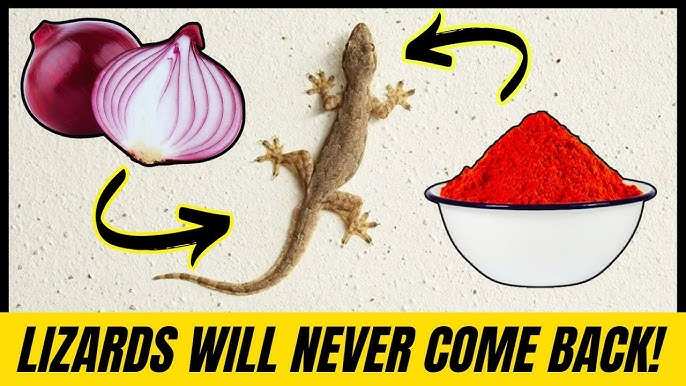
Relying on Scare Tactics Alone : Why Noise and Lights Don’t Work Long Term and iGreenAsia’s Behavior‑Based Solutions
Employing sudden lights or blasting noises to deter lizards often yields only short-term displacement rather than lasting exclusion: studies of reptile behavior show rapid habituation to non-threatening stimuli and minimal long‑term stress response that would sustain avoidance.
Relying on scare tactics ignores documented noise habituation and visual overstimulation thresholds; lizards quickly resume normal activity once novelty fades.
Practical, evidence-based control favors interventions that alter behavior drivers instead of episodic disturbance.
iGreenAsia applies consistent, low-impact behavior‑based solutions — predictable exclusion routines, scent-neutral maintenance, and targeted habitat modification inside perimeters — that reduce attraction cues and reinforce boundary reliability.
This approach preserves occupant freedom while producing durable reductions in lizard presence without continual sensory harassment or escalating interventions.
Ignoring Habitat Factors Around the Home : How Yard and Indoor Conditions Invite Lizards and iGreenAsia’s Integrated Prevention Plan
Scare tactics may displace lizards momentarily, but long-term reduction depends on removing the environmental incentives that draw them in. A practical review shows that cluttered yards, dense groundcover and unmanaged indoor storage create shelter and prey concentrations; poor landscape design that traps shade and moisture exacerbates the problem.
Evidence-based interventions focus on habitat modification: simplify plantings, reduce debris, seal cracks, and adjust irrigation schedules to improve moisture control. iGreenAsia’s integrated prevention plan combines these measures with targeted exclusion and monitoring, enabling residents to reclaim property without constant deterrents.
The approach emphasizes measurable steps, autonomy in implementation and reduced chemical reliance, offering lasting control by addressing why lizards arrive rather than merely reacting to their presence.
Conclusion
Common mistakes—temporary DIY sprays, pet‑harmful chemicals, focusing only on visible gaps, relying solely on scare tactics, and neglecting habitat factors—undermine lizard control. Evidence and field experience show durable formulations, pet‑safe products, thorough exclusion, behavior‑informed methods, and environmental management are required for sustained results. iGreenAsia integrates these principles into long‑lasting repellents, targeted exclusion kits, behavior‑based interventions, and habitat remediation, delivering a practical, safer, and more effective approach to reduce lizard presence around homes.