Monthly Archives

4 Articles

How Good Booth Design for Exhibition Can Attract More Visitors

Posted by webmaster on
Uncategorized

Good exhibition booth design strategically balances open space with defined zones to guide foot traffic naturally toward key displays. Visual elements aligned with brand identity booth design for exhibition, including consistent colors, typography, and lighting, create immediate recognition and evoke a memorable essence. Thoughtful interactive features transform casual visitors into engaged participants, fostering meaningful connections. Combining spatial flow, tactile engagement, and budget-savvy materials sustains interest without overwhelming. Exploring these design principles reveals how to attract more visitors effectively.
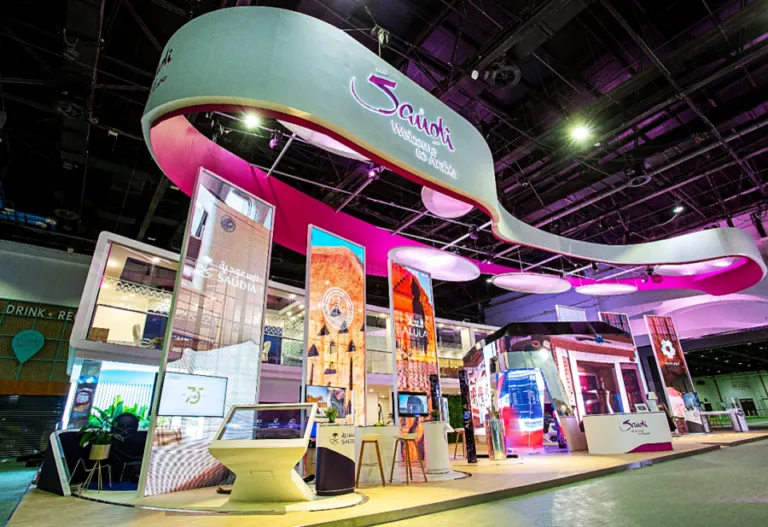
Create an Eye-Catching Booth Layout That Attracts Visitors

In crafting an eye-catching booth layout that attracts visitors, strategic spatial arrangement serves as the foundation. The design must balance openness with defined zones, inviting exploration without overwhelming.

Pathways should guide foot traffic naturally https://upstageexpo.com/home, encouraging visitors to engage with key displays. Incorporating varied heights and focal points creates visual rhythm, capturing interest from multiple angles.

Thoughtful positioning of interactive elements enhances engagement while maintaining flow. The layout must accommodate comfort, providing space for conversation and movement, reflecting a freedom to explore without constraint.

Every inch is purposeful, supporting the brand’s narrative through spatial storytelling. This precision in arrangement transforms a simple booth into a dynamic environment, where visitors feel drawn in by the seamless harmony of form and function.

Choose Visual Elements That Reflect Your Booth Design and Brand

The carefully crafted layout sets the stage, but the visual elements breathe life into the booth, transforming space into a vivid brand experience. Selecting colors, typography, and imagery that authentically mirror the brand’s identity guarantees immediate recognition and emotional connection.

Strategic use of bold graphics, textured materials, and lighting accentuates key messages while inviting exploration without constraint. Visual consistency across signage, displays, and digital screens reinforces brand values, cultivating a coherent narrative that resonates with visitors seeking authenticity.

Each element should harmonize to evoke the brand’s essence, whether through minimalist elegance or dynamic vibrancy. Thoughtful integration of these details empowers visitors to intuitively grasp the brand’s story, allowing freedom to engage on their own terms, ultimately amplifying attraction and lasting impression.

Add Interactive Features to Engage Exhibition Visitors

Frequently, the most memorable exhibition booths are those that invite visitors to participate rather than passively observe. Incorporating interactive features—such as touchscreens, virtual reality experiences, or product demos—creates dynamic engagement that captivates attention.

These elements encourage visitors to explore the brand’s offerings on their own terms, fostering a sense of autonomy and curiosity. Strategically designed interactions not only enhance recall but also generate valuable conversations between exhibitors and attendees.

By integrating technology and hands-on activities, the booth transcends traditional displays, transforming into an immersive environment. This approach aligns with visitors’ desire for freedom in choosing how to connect, making the experience both personalized and impactful.

Ultimately, interactivity elevates booth appeal, turning casual observers into active participants and potential customers.

Boost Visitor Interest With Effective Booth Design Strategies

Although compelling content draws visitors in, the physical design of an exhibition booth plays an equally critical role in sustaining their interest. Strategic use of color, lighting, and spatial layout creates an inviting atmosphere that encourages exploration.

Incorporating open, uncluttered spaces offers visitors freedom to navigate comfortably, fostering a relaxed interaction with the display. Visual hierarchy guides attention to key features without overwhelming the senses, balancing appeal and clarity.

Thoughtfully placed signage and consistent branding reinforce recognition, while tactile elements invite engagement, deepening visitor connection. By harmonizing aesthetics with functionality, booths transcend mere display areas, transforming into dynamic environments that captivate and hold attention.

Ultimately, effective booth design strategies empower exhibitors to maximize visitor interest and create memorable, meaningful experiences.

Optimize Your Booth Design on a Budget

When working within budget constraints, creativity and strategic planning become indispensable tools for crafting an impactful exhibition booth.

Prioritizing multifunctional elements—such as modular displays and versatile lighting—maximizes space and appeal without escalating costs.

Selecting cost-effective materials that offer durability and aesthetic value guarantees longevity and visual interest.

Incorporating digital signage or interactive features can engage visitors dynamically without requiring extensive physical modifications.

Thoughtful color schemes and minimalist design reduce clutter and highlight key messages, guiding visitor focus efficiently.

Leveraging pre-owned or rental components allows for flexibility and financial freedom, adapting the booth to different exhibitions.

Ultimately, a well-optimized budget translates into a booth that resonates with visitors through intelligent design choices, proving that impactful presence need not demand extravagant expenditure.

Conclusion

An expertly crafted booth design serves as a powerful magnet, drawing visitors through visual appeal and strategic engagement. By harmonizing layout, brand-reflective elements, and interactive features, exhibitors create memorable experiences that elevate interest and foster meaningful connections. Even within budget constraints, thoughtful design choices amplify visibility and visitor flow, ultimately transforming exhibition presence into impactful opportunities. Success lies in blending creativity with strategy to captivate and sustain audience attention effortlessly.

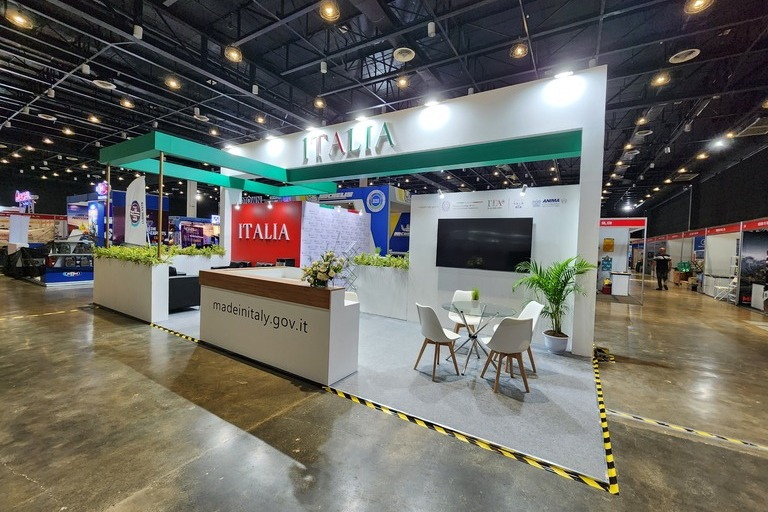
Touch Concept Malaysia Review: Exhibition Booth Design for Better Brand Display

Posted by webmaster on
Uncategorized

Touch Concept Malaysia excels in delivering exhibition booths that strategically enhance brand visibility and visitor engagement. Their designs prioritize clarity, modularity interior design exhibition, and innovative aesthetics, ensuring adaptable, functional layouts tailored to diverse business needs. Interactive elements and customizable finishes amplify brand presence while fostering intuitive navigation and active participation. With a client-focused approach balancing cost-efficiency and prestige, Touch Concept offers scalable solutions that align with brand identity and objectives. Explore how their expertise can elevate your trade show impact

.

Why Touch Concept Malaysia’s Booths Stand Out

In the competitive landscape of exhibition design, Touch Concept Malaysia’s booths distinguish themselves through innovative aesthetics and functional layouts that maximize visitor engagement.

Their designs prioritize clarity and brand identity exhibition booth design malaysia, ensuring each booth communicates its message without distraction.

Strategic use of materials and lighting enhances visibility, while modular structures provide adaptability for diverse venues. This approach offers clients flexibility, allowing seamless integration of brand elements with spatial constraints.

Additionally, Touch Concept Malaysia employs cutting-edge technology to elevate visual appeal and streamline setup processes. Their commitment to efficient, eye-catching designs empowers brands to assert presence confidently, appealing to audiences seeking freedom in expression and interaction.

Ultimately, these booths serve not just as displays but as dynamic platforms that embody a brand’s essence with precision and impact.

How Touch Concept Malaysia’s Booth Designs Boost Engagement

Harnessing innovative design principles, Touch Concept Malaysia crafts booths that actively enhance visitor engagement. Their designs strategically balance open layouts with focal interaction points, encouraging natural flow and prolonged exploration.

Integrating sensory elements—such as dynamic lighting and tactile materials—stimulates curiosity, making each visit memorable. Clear brand messaging is embedded seamlessly, fostering instant recognition without overwhelming attendees.

By prioritizing accessibility and intuitive navigation, Touch Concept guarantees visitors feel unrestricted and welcome, promoting genuine connections. This thoughtful approach transforms passive observers into active participants, elevating brand interaction beyond traditional displays.

Ultimately, Touch Concept Malaysia’s booth designs serve as catalysts for meaningful engagement, empowering brands to communicate freely and effectively within vibrant exhibition environments.

Customizable Booth Features That Set Touch Concept Apart

Building on the effectiveness of engaging booth designs, Touch Concept Malaysia distinguishes itself through highly customizable features that cater to diverse brand needs and event objectives.

These features empower clients to maintain control over their brand expression while optimizing exhibitor impact.

  1. Modular Components: Flexible structures allow easy reconfiguration to fit various spaces without compromising design integrity.
  2. Interactive Technology Integration: Seamless incorporation of digital displays and touchpoints enhances visitor engagement and data collection.
  3. Branding Versatility: Custom finishes, lighting, and signage options guarantee consistent brand identity across different event formats.

This strategic adaptability offers brands the freedom to tailor their exhibition presence precisely, maximizing visibility and audience connection without sacrificing creativity or functionality.

Touch Concept’s customizable approach sets a new standard for dynamic, client-driven booth design.

How Touch Concept Tailors Booth Solutions for Businesses of All Sizes

Across varying scales and industries, Touch Concept Malaysia delivers tailored booth solutions that address the unique demands of businesses both large and small. By evaluating each client’s brand identity, target audience, and budget, Touch Concept crafts exhibition booths that optimize space and engagement.

For startups and SMEs, flexible modular designs provide cost-effective yet impactful displays that evolve with growth. Large corporations benefit from bespoke, high-end installations that reinforce brand prestige and capture attention in competitive environments.

This strategic customization guarantees every element—from layout to materials—aligns with business objectives, maximizing visibility without compromising freedom in design. Touch Concept’s adaptive approach empowers brands to express their uniqueness confidently, supporting diverse marketing goals with precision and scalability.

Tips to Maximize Your Brand’s Impact With Touch Concept Booths

Maximizing a brand’s impact through Touch Concept booths requires more than just customized design; it demands strategic execution that aligns every element with the brand’s core message and audience engagement goals.

To truly elevate brand presence, businesses should:

  1. Leverage Interactive Elements – Incorporate touchscreens and digital displays to create immersive experiences that invite visitor participation and foster memorable connections.
  2. Optimize Layout for Flow – Design the booth to guide attendees naturally through key brand messages, ensuring effortless navigation that highlights product strengths.
  3. Emphasize Consistent Branding – Use cohesive colors, fonts, and imagery that reflect the brand’s identity, reinforcing recognition and trust.

Conclusion

Touch Concept Malaysia consistently delivers innovative exhibition booth designs that elevate brand visibility and engagement. Their customizable solutions cater to diverse business needs, ensuring impactful presentations across industries. By combining strategic design elements with tailored features, Touch Concept enables brands to maximize their presence and connect effectively with target audiences. Choosing Touch Concept Malaysia is a strategic investment for businesses seeking to enhance their exhibition success and create memorable, results-driven brand displays.

5 Common Lizard Repellent Mistakes (And How iGreenAsia Solves Them)

Posted by webmaster on
Uncategorized

Many common lizard‑repellent tactics fail because they are temporary, unsafe for pets, or incomplete. DIY water‑based sprays wash away and evaporate; strong chemicals risk pet harm; sealing only visible gaps leaves small entryways; lights and noise cause rapid habituation; and cluttered, moist habitats keep attracting reptiles. iGreenAsia offers water‑resistant lizard repellent spray, controlled‑release formulations, pet‑safe options, measured exclusion kits, behavior‑based strategies, and habitat modification plans. Continue for practical steps and implementation details.

Using DIY Sprays That Wash Away : Why Temporary Sprays Fail and iGreenAsia’s Long‑Lasting Alternative

When exposed to rain, irrigation https://igreenasia.com/, or routine cleaning, homemade lizard sprays—typically water‑based solutions of oils, spices, or detergents—lose efficacy within hours because active compounds dilute or wash away and lack adhesion agents; studies of repellent persistence show that volatile compounds evaporate rapidly and nonpolar oils separate from aqueous carriers, leaving insufficient residue to deter reptiles.

DIY approaches generate only temporary residues that require frequent surface reapplication, burdening users who favor autonomy and low maintenance.

Practical evaluations indicate that formulations without fixatives or encapsulation cannot sustain repellency on porous or smoothed substrates.

A long‑lasting alternative employs water‑resistant carriers and controlled‑release matrices to maintain deterrent levels without constant reapplication, reducing labor while preserving safe, noninvasive exclusion suited to independent lifestyles.

Spraying Strong Chemicals That Harm Pets : The Risks and iGreenAsia’s Pet‑Safe Repellents

Frequently, homeowners reach for potent pesticides or concentrated repellents to address lizard problems, but those products can pose acute and chronic risks to pets through inhalation, dermal contact, or ingestion. Evidence links many broad‑spectrum chemicals to gastrointestinal upset, neurological signs, and altered behavioral reactions in cats and dogs.

Practical management favors alternatives that reduce toxin exposure while maintaining efficacy. iGreenAsia’s pet safe formulations use low‑toxicity botanicals and microencapsulated actives that limit off‑target drift and degrade before bioaccumulation occurs. Labels prescribe buffers, drying times, and restricted zones to prevent contact.

Field trials show comparable lizard deterrence with lower incidence of pet adverse events versus conventional sprays. For freedom‑seeking households, this approach protects animals without surrendering proactive, effective control.

Blocking Visible Gaps Only : How Missed Entry Points Keep Lizards Coming and iGreenAsia’s Targeted Exclusion Kits

Addressing chemical risks is only one part of effective lizard control; physical entry points often undermine repellents by allowing continuous reintroduction. Many homeowners seal gaps they can see while missing narrow voids around pipes, vents, and window frames. Evidence-based surveys show small openings under 6 mm permit passage of juveniles; consequently a systematic entry inspection is essential.

iGreenAsia’s targeted exclusion kits combine measured sealants and purpose-made brush and foam fillers to close both obvious and subtle routes. The kits include clear instructions and inspection checklists so users retain autonomy over home defenses. By prioritizing thorough sealing rather than cosmetic fixes, occupants reduce repeat incursions and reliance on frequent chemical applications, preserving freedom of choice and safer long-term outcomes.

Relying on Scare Tactics Alone : Why Noise and Lights Don’t Work Long Term and iGreenAsia’s Behavior‑Based Solutions

Employing sudden lights or blasting noises to deter lizards often yields only short-term displacement rather than lasting exclusion: studies of reptile behavior show rapid habituation to non-threatening stimuli and minimal long‑term stress response that would sustain avoidance.

Relying on scare tactics ignores documented noise habituation and visual overstimulation thresholds; lizards quickly resume normal activity once novelty fades.

Practical, evidence-based control favors interventions that alter behavior drivers instead of episodic disturbance.

iGreenAsia applies consistent, low-impact behavior‑based solutions — predictable exclusion routines, scent-neutral maintenance, and targeted habitat modification inside perimeters — that reduce attraction cues and reinforce boundary reliability.

This approach preserves occupant freedom while producing durable reductions in lizard presence without continual sensory harassment or escalating interventions.

Ignoring Habitat Factors Around the Home : How Yard and Indoor Conditions Invite Lizards and iGreenAsia’s Integrated Prevention Plan

Scare tactics may displace lizards momentarily, but long-term reduction depends on removing the environmental incentives that draw them in. A practical review shows that cluttered yards, dense groundcover and unmanaged indoor storage create shelter and prey concentrations; poor landscape design that traps shade and moisture exacerbates the problem.

Evidence-based interventions focus on habitat modification: simplify plantings, reduce debris, seal cracks, and adjust irrigation schedules to improve moisture control. iGreenAsia’s integrated prevention plan combines these measures with targeted exclusion and monitoring, enabling residents to reclaim property without constant deterrents.

The approach emphasizes measurable steps, autonomy in implementation and reduced chemical reliance, offering lasting control by addressing why lizards arrive rather than merely reacting to their presence.

Conclusion

Common mistakes—temporary DIY sprays, pet‑harmful chemicals, focusing only on visible gaps, relying solely on scare tactics, and neglecting habitat factors—undermine lizard control. Evidence and field experience show durable formulations, pet‑safe products, thorough exclusion, behavior‑informed methods, and environmental management are required for sustained results. iGreenAsia integrates these principles into long‑lasting repellents, targeted exclusion kits, behavior‑based interventions, and habitat remediation, delivering a practical, safer, and more effective approach to reduce lizard presence around homes.

Flat Feet in Adults: When Should You Be Concerned?

Posted by webmaster on
Uncategorized

Flexible flat feet in adults are common, often asymptomatic, and usually require only education, supportive footwear, and activity modification. Concern arises with persistent or progressive medial ankle or arch pain, activity-limiting symptoms, recurrent ankle sprains your mobile podiatrist, new stiffness or loss of arch flexibility, rapid collapse (suggesting neuropathic/Charcot change), or systemic/neurologic signs. Evaluation includes focused history, exam, weightbearing radiographs and targeted imaging. Further information outlines causes, diagnostic steps, and treatment thresholds.

When Flat Feet Are Normal and When They’re a Problem

When evaluating adult flat feet, clinicians distinguish flexible, asymptomatic flattening—common and often benign—from rigid deformities or cases accompanied by pain, dysfunction https://peoplepodiatry.com.au/, or progressive change that indicate pathology.

Examiners assess whether the presentation reflects developmental variations persisting into adulthood or acquired collapse. Flexible deformities demonstrate functional flexibility with normal arch return on toe rise and nonpainful gait; these often require no intervention beyond education, supportive footwear, and activity modification.

In contrast, loss of flexibility, progressive valgus alignment, tendon dysfunction, or new mechanical symptoms prompt imaging and targeted treatment.

Objective assessment includes weightbearing alignment, single-leg heel rise, and comparative limb evaluation to preserve mobility and autonomy.

Management prioritizes restoring function and preventing decline while respecting patient goals for activity and independence.

Key Symptoms That Suggest an Underlying Condition

Recognize symptoms that raise concern for pathology rather than benign flexible flatfoot: persistent or progressive medial ankle and hindfoot pain, activity-limiting plantar or arch pain, lateral forefoot overload, recurrent ankle sprains, progressive hindfoot valgus, and new onset stiffness or loss of arch flexibility. Such features warrant prompt evaluation.

Severe pain disproportionate to activity, sudden swelling after minimal trauma, or nocturnal pain suggest structural compromise or inflammatory disease and merit imaging and specialist referral.

Functional decline—reduced walking tolerance, gait instability, or inability to resume preferred activities—indicates progressive dysfunction.

Neurologic signs (numbness, weakness) or systemic symptoms (fever, unexplained weight loss) broaden the differential and require expedited assessment.

Early identification preserves mobility and autonomy; clinical judgment should guide timely investigation.

Common Causes in Adults: PTTD, Arthritis, Nerve and Tendon Issues

Among adults, acquired flatfoot most commonly reflects mechanical or inflammatory disruption of key supporting structures, especially posterior tibial tendon dysfunction (PTTD), degenerative or inflammatory arthritis of the hindfoot and midfoot, and neuropathic or tendinous disorders that alter load distribution.

Adult acquired deformity often begins with Posterior tibialis failure—attenuation, tearing, or degeneration—producing progressive valgus alignment and midfoot collapse.

Arthritis (osteoarthritis, post-traumatic, rheumatoid) erodes joint congruity and passive support, accelerating deformity and pain.

Neuropathic collapse from diabetic neuropathy or Charcot arthropathy results in rapid architecture loss with sensory loss and joint destruction.

Other tendon dysfunctions (peroneals, Achilles) and iatrogenic factors modify biomechanics.

Management priorities include gait preservation, risk reduction for ulceration or progression, and targeted interventions to restore stable, pain-free function.

How Doctors Diagnose Flat Feet and What Tests to Expect

Clinicians evaluate adult flatfoot through a structured clinical history and targeted physical examination to determine etiology, severity, and functional impact. Assessment documents pain, onset, prior injury, systemic disease, and activity limitations.

Physical tests include inspection of arch height, heel alignment, single-leg heel rise, and range of motion at subtalar and ankle joints. Objective evaluation often uses gait analysis to quantify dynamic pronation, stride asymmetry, and compensatory patterns.

Imaging begins with weight bearing Xray series to assess alignment, joint space, and osseous deformity; oblique and hindfoot views may be added. Advanced imaging (CT or MRI) is reserved for suspected arthritis, tendon pathology, or complex deformity.

Diagnosis integrates history, exam, dynamic analysis, and imaging to guide appropriate management decisions.

Treatment Options and When Surgery Becomes Necessary

In managing adult flatfoot, treatment begins with a graded approach that matches interventions to severity, symptoms, and underlying pathology. Initial care emphasizes nonoperative measures: activity modification, anti-inflammatory medication, targeted Physical therapy to restore strength and proprioception, and Shoe modifications including supportive footwear and custom orthoses to redistribute load. Weight management and gradual return to activity support sustained improvement.

Indications for surgery include persistent pain despite optimized conservative care, progressive deformity, or neuromuscular compromise affecting function. Surgical options are pathology-specific: tendon reconstruction, osteotomy, arthrodesis, or combined procedures to realign and stabilize the medial column. Decision-making should integrate imaging, functional assessment, patient goals for mobility and independence, and realistic expectations about recovery and outcomes.

Conclusion

Flat feet in adults often reflect benign anatomic variance, but persistent pain, progressive deformity, functional decline or neurologic signs warrant evaluation. Clinical assessment supplemented by weight‑bearing imaging and targeted tests distinguishes flexible, asymptomatic pes planus from posterior tibial tendon dysfunction, inflammatory or degenerative arthropathy, neuropathy or traumatic causes. Initial management is conservative and evidence‑based—activity modification, orthoses, physiotherapy and pharmacologic measures—while surgery is reserved for refractory pain, instability or structural collapse confirmed by objective findings.